TL;DR:
There are two types of 140 cm silk scarves.
The one made of the same silk twill as a 90cm silk scarf. It will typically have the H67…S reference code. They typically do not have any special designation.
The one made of lighter silk (1/2 the weight of the regular one). It will typically have the H43…S reference code. They are typically described as ‘summer’ or ‘plume.’
When the SF boutique reopened a few years back, I went to check it out. I wanted to see a summer-weight 140 cm silk scarf, and the SA was happy to oblige, but kept telling me that all 140cm silk scarves are the same.
They are not. (Train your SAs better, Hermès!)
The most common 140cm silk scarf types are the ‘summer weight’ and the ‘winter/regular weight.’ In theory, it all makes sense:
‘Regular’ silk 140cm scarves:
The reference code is H67…S.
Note: some H67…S scarves from the early 2000s are cashmere.
Mostly (but not always) they are part of the autumn/winter season.
Same silk as the 90cm silk scarves.
The earliest I am familiar with is Les Clés from AW 2015 (H671428S).
Pleated 140 silk scarves and dip dye 140 silk scarves tend to be based on this fabric, although they will carry a different reference code.
‘Summer’ silk 140cm scarves:
The reference code is H43…S
Note: H43…T are men’s GM losanges
There have been a few other designs in this format with a different reference number.
Mostly (but not always) are part of the spring/summer season.
Half the weight of the ‘regular’ counterpart.
Priced the same as a ‘regular’ one.
Many who feel them for the first time (myself included!) are surprised by how light and almost polyester-y they feel— easy to guess they are fake if you’re not familiar.
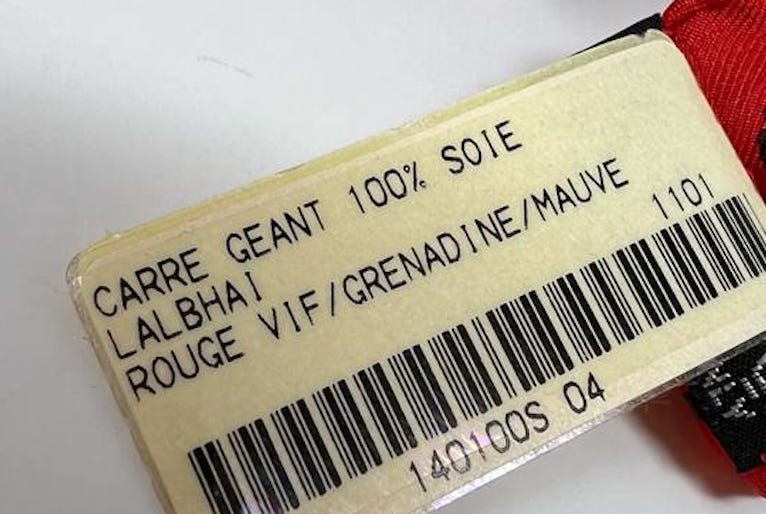
(I am only familiar with two designs that were issued as both a summer and regular silk 140. Bali Barret’s Tout en Carré was issued under H432320S (plume) in SS 2014 and under H672320S (regular) in AW 2018. Lalbhai was issued as both as well, but the reference format on the summer one was different, which I mention below — thank you to a knowledgeable friend for pointing it out).
In practice, it is much more confusing. What really doesn’t help is Hermès not using consistent nomenclature for naming formats. Here are some examples of how these scarves have been represented on the website and on the paper tags:
‘Regular’ silk 140cm scarves:
On the tag:
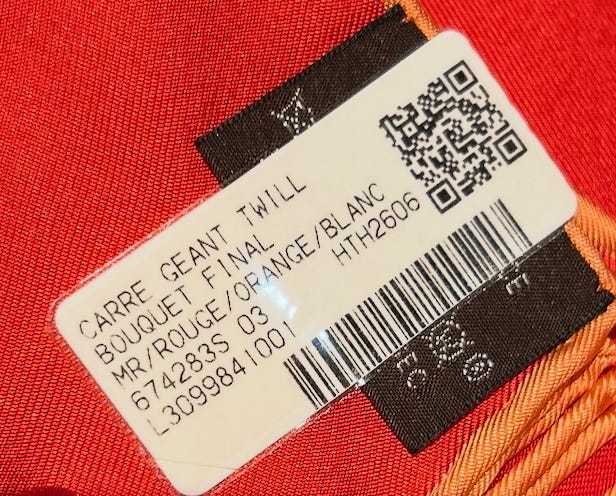
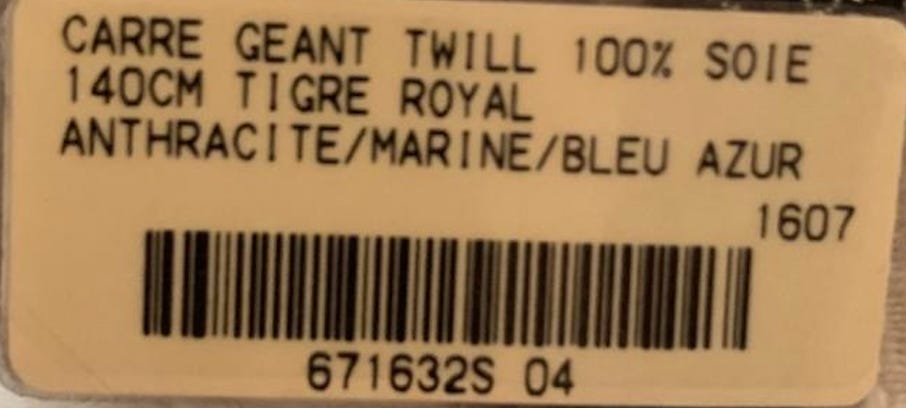
Carré géant twill 140 (the most common by far)
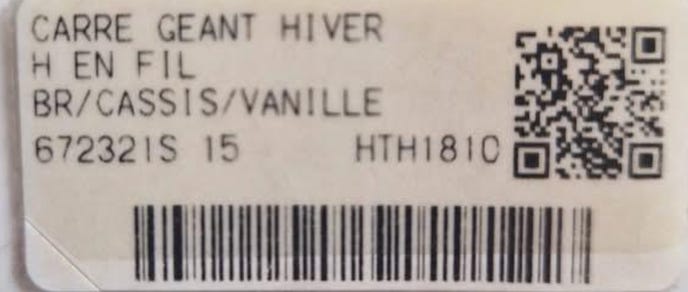
Carré géant hiver — this seemed to have been limited to AW2018 only; I think this is where the tradition of calling these ‘winter’ scarves came from.
On the website: (looking at the English-speaking ones, there is obviously more diversity in other languages)
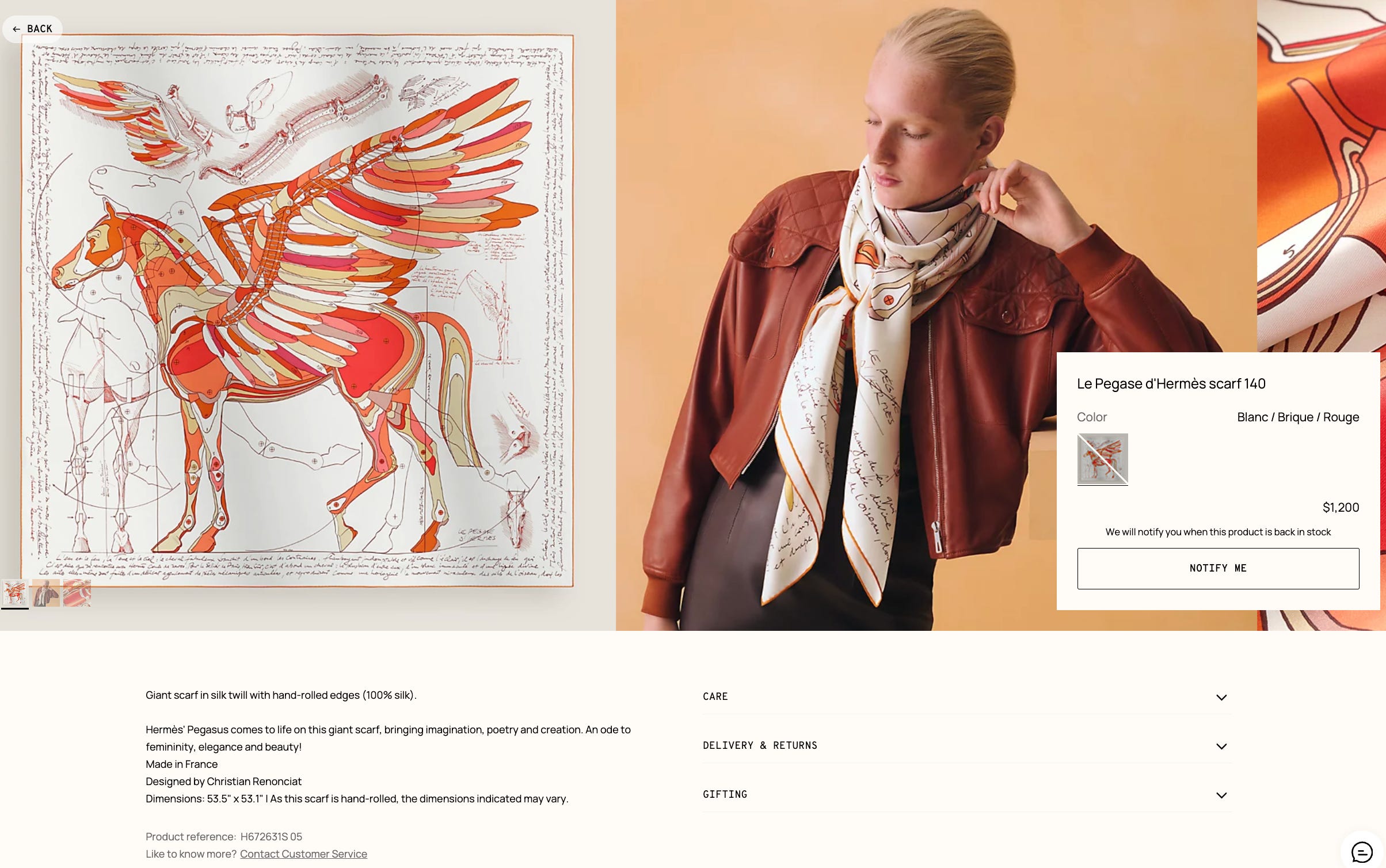
Giant scarf 140
Giant scarf
Scarf 140
Giant scarf in silk twill with hand-rolled edges
Giant scarf 55”
Here is a recent Bouquet Final, although it is a less common example of a ‘regular’ silk scarf issued as part of a spring-summer (2026) season:
And here is an AW2016 Tigre Royal:
And this is an AW2018 winter/hiver tag (borrowed from a Facebook group):
And here is an example on the website right now:
‘Summer’ silk 140cm scarves:
Plume is used a lot—it means ‘feather,’ and it is used to describe lighter silk.
On the tag:
Carré géant twill plume (the most common by far)
Carré géant summer twill
On the website:
Giant scarf
Giant scarf
Plume silk twill giant scarf 55×55 in
Giant scarf in summer twill
140cm silk
140cm silk plume
Carré Géant Summer Twill (140 plume)
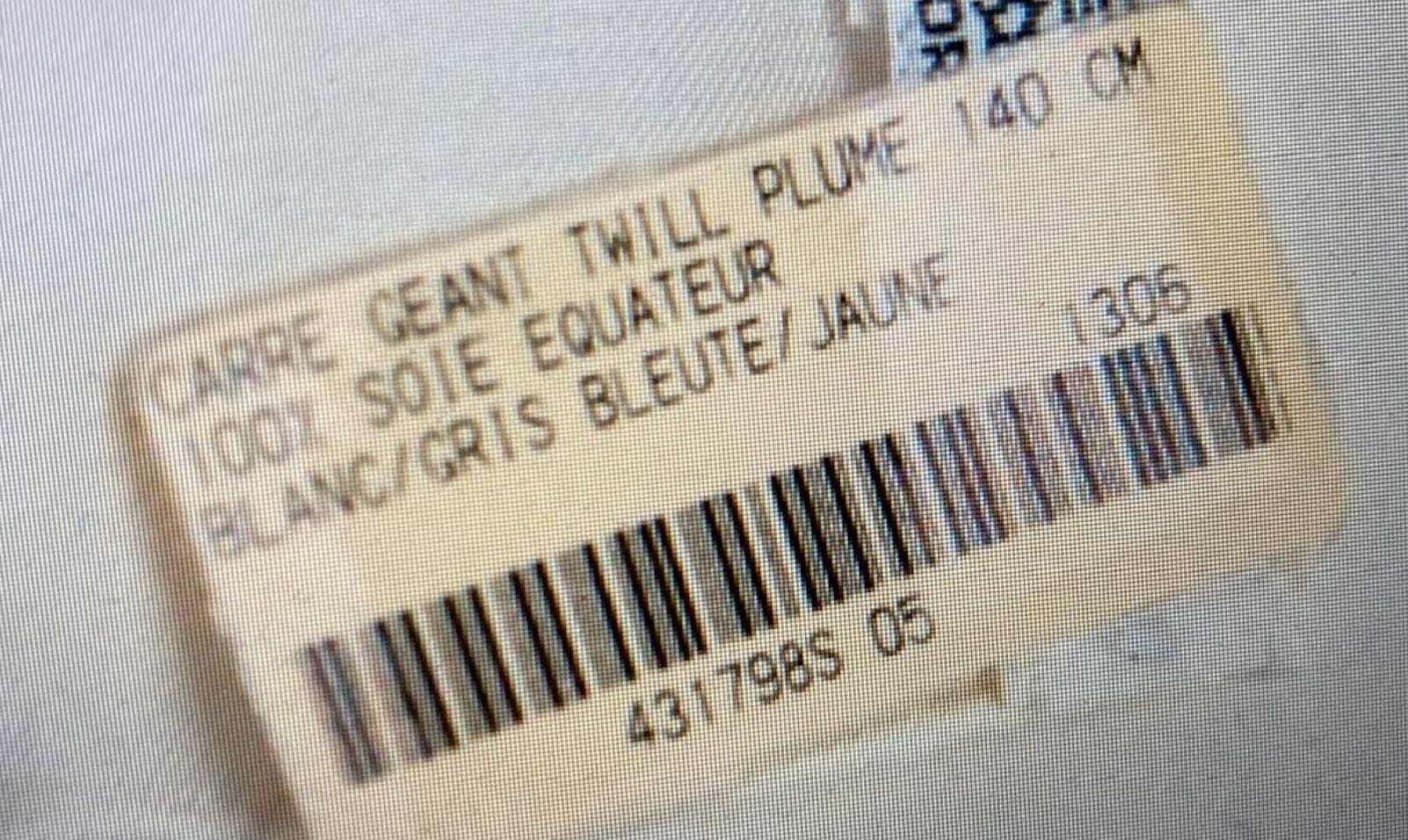
Here is an Equateur from SS 2013 (tag borrowed from the Internet):
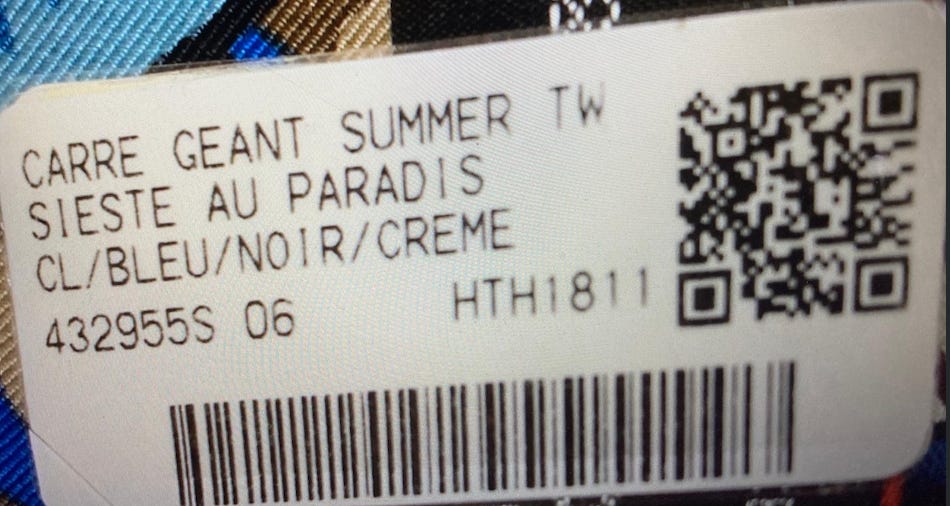
Here is a Sieste au Paradis:
Here is an interesting Lalbhai from SS2011 — the reference number is H14…S. I am not aware of any other H14…S scarves — I think they switched to the S43…S format after this one.
Note that 140cm dip dyes, jacquards, and other less common formats will have their own reference numbers.
This article is based on my own research. As always, I welcome comments and corrections.